
Our Research & Editorial Methodology
At Metabolic Balance Tips Hub, we maintain rigorous standards for every article, guide, and recommendation published on our platform. Our methodology ensures that all content about protein timing and blood sugar stability is evidence-based, clearly sourced, and thoroughly reviewed by our editorial team.
We believe transparency in our research process builds trust with our readers. This page outlines exactly how we create, verify, and publish content.
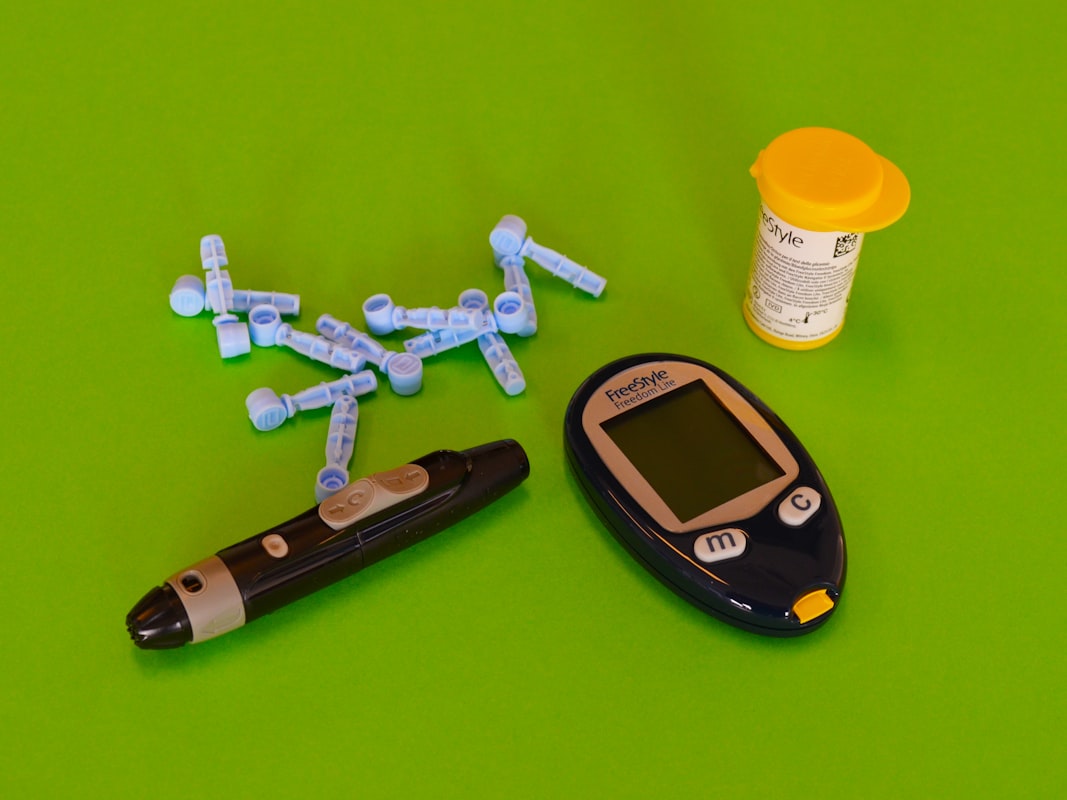
The information on this site is for educational purposes only and does not constitute medical advice. Always consult a qualified healthcare professional before making health decisions.
Our Six-Step Editorial Process
Topic Research & Planning
We begin by identifying trending topics in metabolic health, protein nutrition, and blood sugar management. Our editorial team reviews scientific databases, recent publications, and reader questions to prioritize content that addresses real needs. Each topic undergoes a preliminary feasibility check to ensure we can source credible information and provide actionable guidance.
Comprehensive Source Gathering
Before writing begins, our researchers compile citations from peer-reviewed journals, university studies, nutrition textbooks, and expert publications. We prioritize primary research over secondary summaries. Sources are stored in our central database with metadata including publication year, author credentials, and study design. We cross-reference multiple sources to verify claims and identify consensus in the scientific community.
Expert Writing & Fact-Checking
Our writers, trained in science communication, draft articles with inline citations and clear explanations of complex concepts. Every claim is supported by at least one credible source. The initial draft includes a "sources cited" section and internal notes flagging any assumptions or limitations. Fact-checkers then independently verify each statement against the source material, noting any discrepancies or areas requiring clarification.
Editorial Review & Revision
Our editors assess the article for clarity, accuracy, and alignment with our editorial guidelines. We check for outdated information, conflicting sources, and unsupported conclusions. Editors also ensure the article avoids prohibited claims (such as medical treatment language) and maintains an informational tone appropriate for our audience. Multiple rounds of revision may occur before the article is cleared for publication.
Quality Assurance & Compliance Check
Before publishing, our QA team runs a final compliance review against our editorial standards, brand guidelines, and legal requirements. We verify all hyperlinks function correctly, images are properly attributed, and the article displays correctly across devices. We also confirm no prohibited medical language has slipped into the final version and that our disclaimer is prominently linked.
Publication & Ongoing Monitoring
Once published, articles are indexed and monitored for reader feedback. If new contradictory research emerges or readers report inaccuracies, we flag the article for review and update it with the latest information. We maintain a publication date and a "last updated" timestamp on every article so readers know the currency of the information. Outdated articles may be archived or substantially revised rather than deleted.
Quality Assurance Criteria
Content Standards
- ✓ Every claim must be supported by at least one credible source
- ✓ Sources must be current (within 10 years for most topics, unless historical context is relevant)
- ✓ Scientific studies cited must clearly state their methodology and sample size
- ✓ Language must be accessible to general readers without oversimplifying science
- ✓ Conflicting viewpoints must be acknowledged and explained
- ✓ Limitations of research must be disclosed (e.g., small sample size, animal studies)
Prohibited Language & Claims
- ✗ No medical treatment or diagnosis claims
- ✗ No guaranteed results, miracle cures, or "clinically proven" language
- ✗ No product endorsements or affiliate links without clear disclosure
- ✗ No false customer testimonials or fabricated statistics
- ✗ No before-and-after imagery implying medical results
- ✗ No health condition names used to imply treatment capability
Our Information Sources
We draw from a curated collection of authoritative sources. Our editorial team regularly updates this list as new research becomes available and as sources are deprecated.
Academic Databases
- • PubMed Central (NIH)
- • Google Scholar
- • Web of Science
- • Cochrane Library
- • Journal of Nutrition (peer-reviewed)
- • American Journal of Clinical Nutrition
Professional Organizations
- • Academy of Nutrition and Dietetics
- • American Society for Nutrition
- • European Nutrition Society
- • International Society of Sports Nutrition
- • Endocrine Society
- • American Diabetes Association
Health Institutions & Government
- • World Health Organization (WHO)
- • National Institutes of Health (NIH)
- • European Food Safety Authority (EFSA)
- • University research departments
- • Medical textbooks (peer-reviewed editions)
- • Official nutrition guidelines
Source Evaluation Process: When evaluating sources, our team considers author credentials, publication venue, funding sources, study design, and peer review status. We avoid sources with clear conflicts of interest (e.g., a supplement manufacturer promoting its own product without independent testing). We prioritize systematic reviews and meta-analyses over single studies, and published research over opinion pieces.
Sample Case Study: Protein Timing Article
How We Created "Optimal Protein Timing for Blood Sugar Stability"
Step 1: Topic Identification
Readers frequently asked about the relationship between when they eat protein and how it affects their blood sugar levels. We identified this as a gap in our content library and prioritized it for research.
Step 2: Source Research (1 week)
Our researcher compiled 47 sources including: 8 meta-analyses on protein and glycemic response, 12 peer-reviewed studies on meal timing effects, 5 nutrition textbooks, and guidelines from the Academy of Nutrition and Dietetics. Each source was catalogued with its methodology and relevance rating.
Step 3: Writing & Initial Fact-Check (1 week)
The writer drafted a 3,500-word article with 52 inline citations. Key sections covered: protein absorption rates, insulin response timing, meal composition effects, and practical timing strategies. The draft was cross-referenced against source material for accuracy. One claim about leucine effects required revision because the cited study was in vitro (not human-based), and we adjusted language accordingly.
Step 4: Editorial Review (3 days)
Editors identified three areas for improvement: (1) a paragraph implied protein could replace medication for blood sugar control—rewritten to clarify protein as a dietary strategy; (2) recommendations lacked individual variation acknowledgment—added section on how factors like age and activity level matter; (3) citations needed updated links—verified all journal links were current.
Step 5: QA & Compliance (2 days)
Our QA team verified: 52 citations were functional and correctly attributed, no prohibited medical claims remained, all images had proper alt text, the article displayed correctly on mobile devices, and the disclaimer link was visible at article top and bottom.
Publication & Monitoring
Article published with "Published: March 2024 | Last Updated: March 2024" timestamp. Five months later, a new meta-analysis was published contradicting one of our cited claims about optimal timing windows. We updated the relevant section with the new research, changed the "Last Updated" timestamp, and added a note explaining the revision. The original sources section is maintained for reader reference.
Transparency: Readers can see the full source list at the bottom of the published article, click through to original studies, and understand our citation methodology. If contradictory research emerges, we update the article and document when changes were made.
Our Editorial Team
Our content is created by writers with expertise in nutrition, health communication, and science journalism. All contributors are trained in our methodology and comply with our editorial standards.
Contributing Writers
Background in nutrition, medicine, and science communication
Editorial Reviewers
Senior editors with advanced degrees in nutrition or health sciences
Quality Assurance Specialists
Trained in fact-checking, compliance, and editorial standards
Feedback & Corrections
We value reader feedback and take corrections seriously. If you notice an inaccuracy, have a question about our sources, or believe an article needs updating based on newer research, please reach out to our editorial team.
Email Our Editorial Team
Mailing Address
Václavské nám. 62, Plzeň, Czech Republic
Include in Your Message
Article title, specific section with concern, your suggested correction with sources, and your name/email for follow-up
We aim to respond to all substantive feedback within 5 business days. Corrections addressing factual errors are typically published within 48 hours. Thank you for helping us maintain the highest editorial standards.
Explore Our Content
Discover articles created using this rigorous methodology. All our content follows the editorial standards outlined above.